
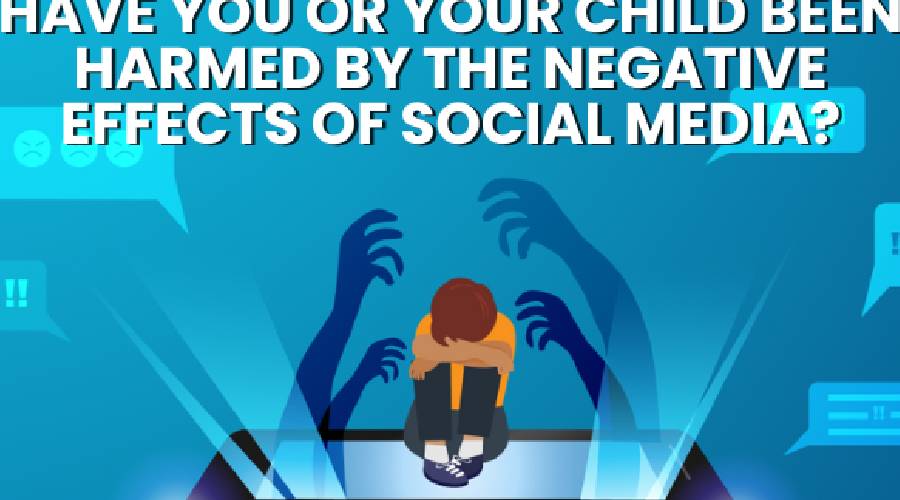
Social media has transformed the way people communicate, share information, and connect with others. While these platforms provide many benefits, excessive use has raised concerns related to digital well-being, privacy, online safety, and responsible technology use. Understanding the legal aspects connected to social media addiction can help individuals protect their rights and use digital platforms more responsibly.
Social media addiction refers to a pattern of excessive or uncontrolled use of social platforms that may affect daily activities, personal relationships, work, or mental well-being. Although laws specifically focused on social media addiction may differ depending on the region, various legal areas address related concerns such as privacy protection, cyber safety, online harassment, and misuse of personal information.
One important step in navigating social media-related legal matters is understanding your digital rights. Users should be aware of how social media platforms collect, store, and use their personal information. Privacy policies, data protection rules, and online safety regulations help individuals understand their rights and take action when their information is misused.
Protecting personal information is another essential part of responsible social media use. Sharing sensitive details publicly or allowing unnecessary access to personal data can increase risks. Reviewing privacy settings, using strong security practices, and being careful about the content shared online can help reduce potential legal and security issues.
Online behavior is also an important consideration. Cyber laws often address issues such as harassment, cyberbullying, identity misuse, spreading false information, and unauthorized sharing of content. Maintaining responsible online conduct and respecting others’ rights can help prevent legal complications. Social media platforms also have their own policies and guidelines to manage user activity and maintain safety.
Understanding these rules allows users to report inappropriate content, manage their accounts effectively, and use available safety features when facing online challenges. When social media-related issues become complex, seeking professional legal guidance can be helpful. Legal professionals can provide advice on privacy concerns, cyber-related disputes, digital rights, and other matters involving online activities. They can help individuals understand available options and take appropriate steps.
Building healthy digital habits is equally important. Setting limits on screen time, taking regular breaks, and using social media mindfully can help maintain a balanced relationship with technology. Responsible use combined with awareness of digital laws can create a safer online experience. Understanding how to navigate social media addiction laws effectively requires awareness, responsibility, and knowledge of digital rights.